Story-4
Yamagata, Supporting Edo’s Food and Culture:
A Story of Trade Along the Mogami River and the Kitamae-Bune

During the Edo period, to address food shortages caused by the growing population of Edo, prominent merchants such as Kawamura Zuiken worked to establish shipping routes with the Tohoku region. In particular, the Kitamae-bune ships that sailed along the coast of the Sea of Japan played a major role in improving distribution efficiency and helping resolve food supply issues. They also brought about a flow of culture and art from Edo and the Kansai region, creating two-way cultural exchange between Edo and the provinces.
In Yamagata, the Mogami River shipping network served as a vital inland transportation route. At the Marudai Ogiya Residence, a place that preserves the homes of merchants who prospered through trade by the Kitamae-bune, visitors can learn about commerce between the late Edo through Taisho periods. The Kahoku Benibana Museum also introduces the history of benibana (a type of plant also known as safflower) cultivation and trade during the Edo period, showing how the plant influenced the culture of Kyoto and Edo through the Kitamae-bune and Mogami River trade.
The Beni Museum maintains the culture behind the crimson dyes made from benibana petals, and hands it down into the modern day. Here, visitors can learn about the trade and marketing of benibana dye during the Edo period, the strategies of dye merchants, and the evolution of Japanese cosmetics—and even try traditional beni makeup themselves. Historic buildings and local events in former port areas also offer glimpses into how the Kitamae-bune shaped the lives and arts of Edo citizens. The ships also carried local customs and performing arts back to Edo, influencing theater, festivals, and crafts.
Trade among the Mogami River and Kitamae-bune formed a two-way network of logistics and cultural exchange in the Edo period. Not only were Edo and Yamagata economically connected through the flow of goods, but they were also linked culturally through the exchange of traditions and lifestyles fostered by these waterways.
Exploring the Cultural Waterside Locations of Tokyo and Yamagata
Yamagata
① Marudai Ogiya (Nagai City)
A place to learn about the roles and contributions of merchants in local communities
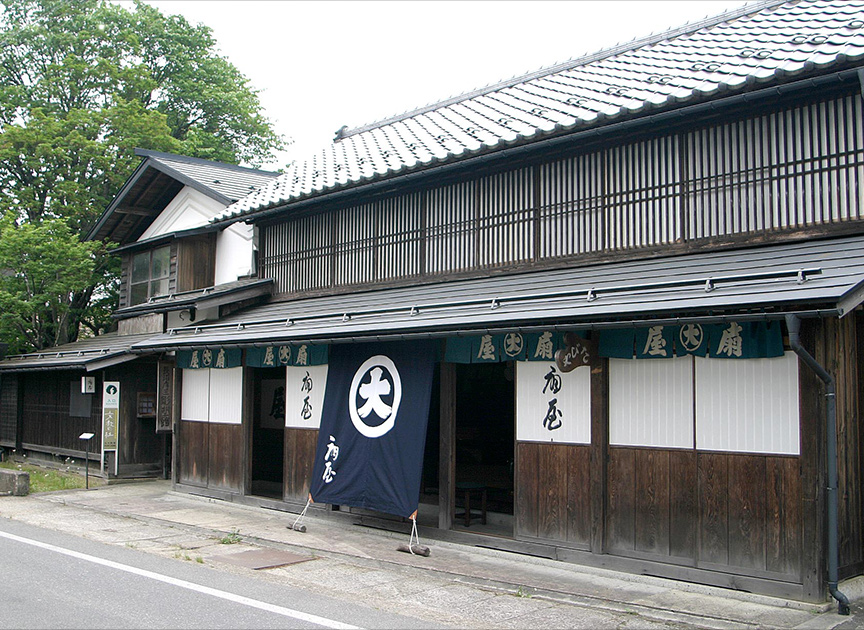
The Marudai Ogiya Residence is the renovated former home of the Naganuma family, who were prosperous merchants who thrived through trade along the Kitamae-bune routes and the Mogami River shipping network. Tools and equipment related to the trade of goods such as tabi socks, cloth bolts, and ramie plants are displayed, along with detailed records of transactions carefully preserved in accounting books.
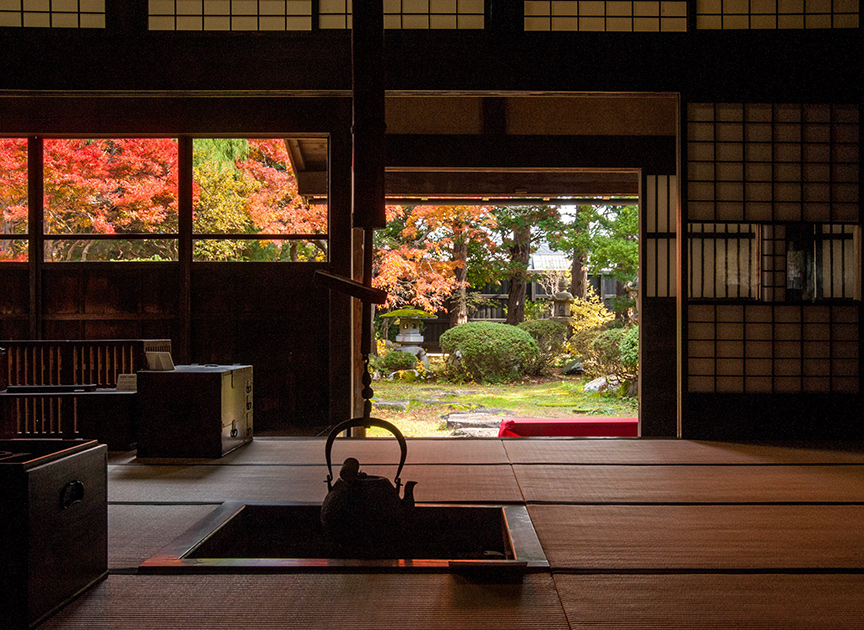
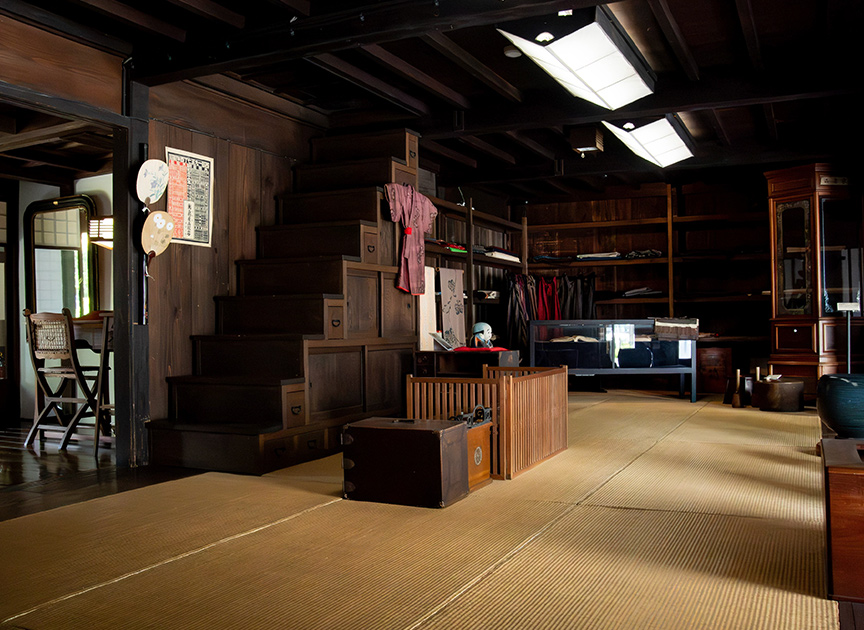
The family’s furnishings and household items have also been restored, offering a glimpse into the lifestyle, tastes, and cultural refinement of wealthy merchants.
This valuable historical and educational site conveys the network of goods and culture that extended from Edo to the provinces, as well as the influence merchant families had on their local communities.
-
Address
1-11-7 Tokamachi, Nagai City, Yamagata Prefecture
-
URL
② Beni no Kura (Yamagata City)
The past and present of benibana, which blossomed among kura storehouses
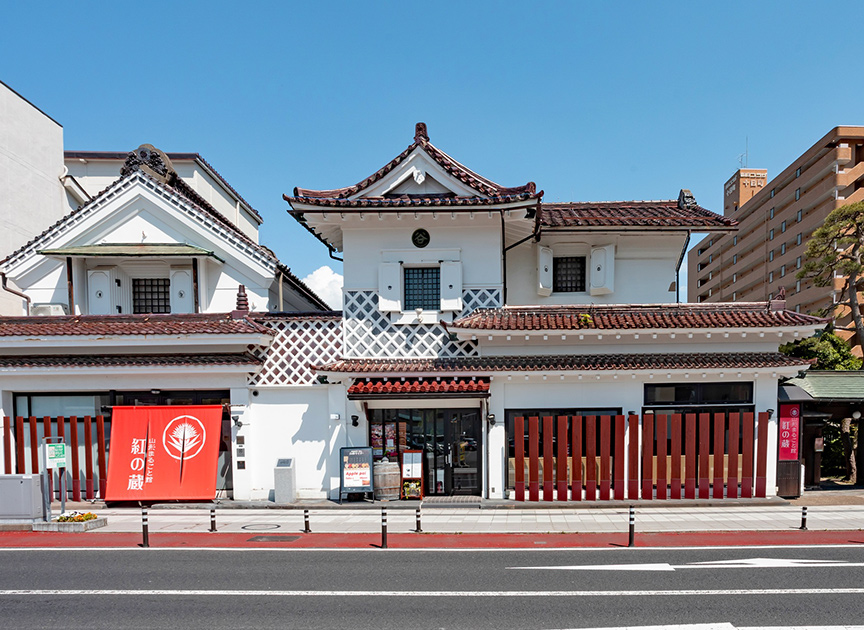
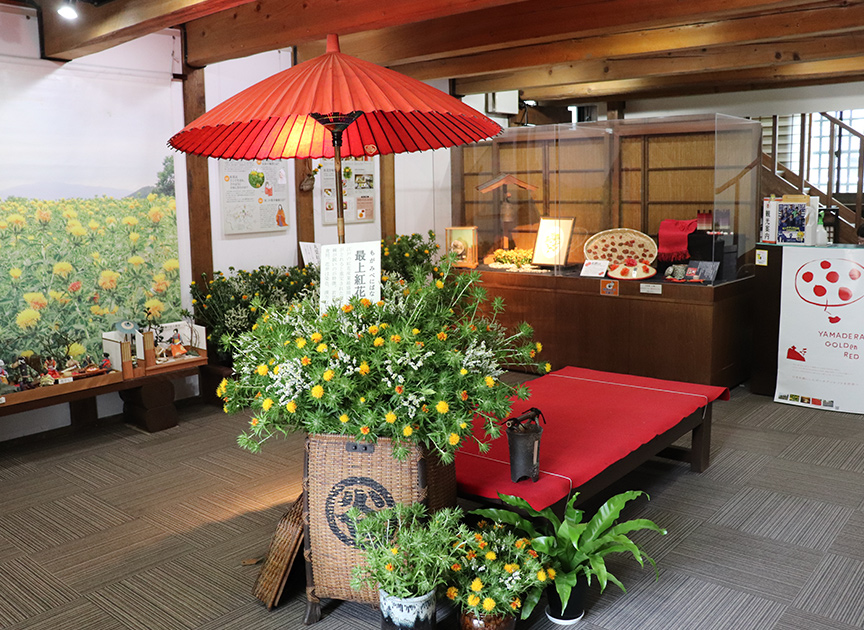
Beni no Kura (Beni Storehouse) stands along the main street of Tokamachi, in Yamagata. Once the storehouse residence of the benibana merchants of the Marutani Hasegawa family, it vividly conveys the culture surrounding the plant, and the local way of life that took root since the Edo period. Displays include dried benibana, dye extraction tools, and dyed fabric samples, allowing visitors to follow the process of creating color from flowers.
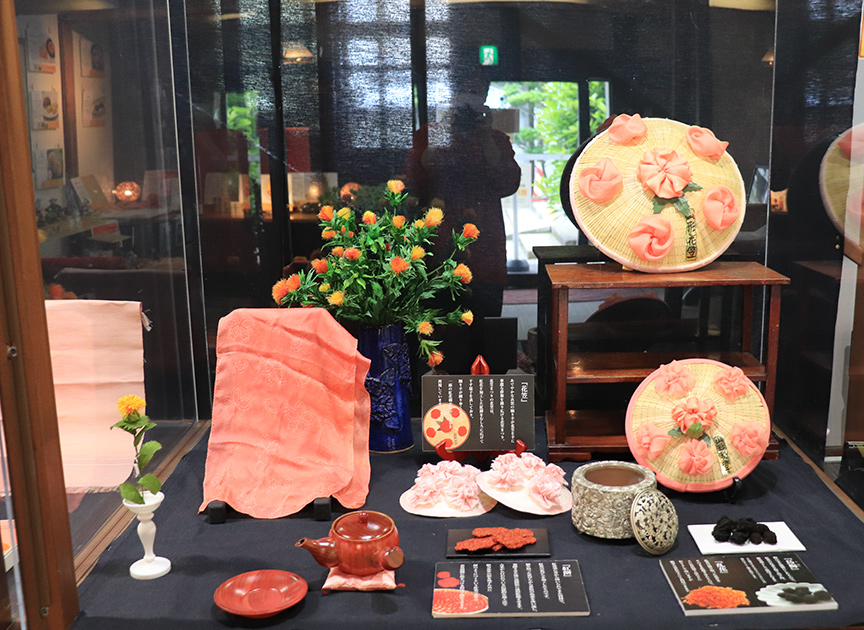
Tools related to benibana are also on display, as well as clothing, accessories, and dyed handcrafts, which all add rich color to the space, offering a rich impression of how this traditional material is now interwoven with modern sensibilities.
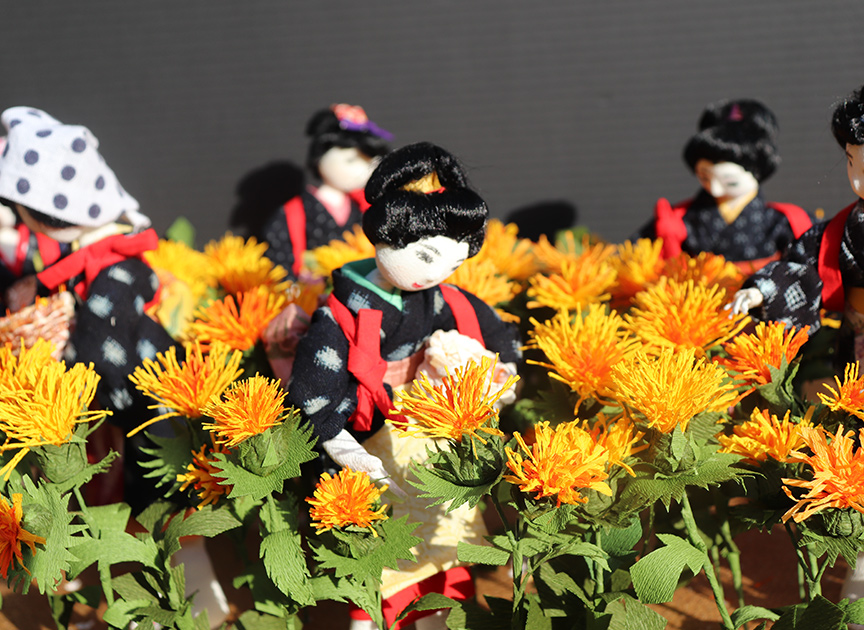
Visualizing the continuous cultural chain from the Edo period to present day, there is a clear depth of time and space expanded from a single material—the benibana plant.
-
Address
2-1-8 Tokamachi, Yamagata City, Yamagata Prefecture
-
URL
③ Kahoku Town Safflower Museum (Kahoku Town)
Experience the full essence of benibana up close, right in its hometown
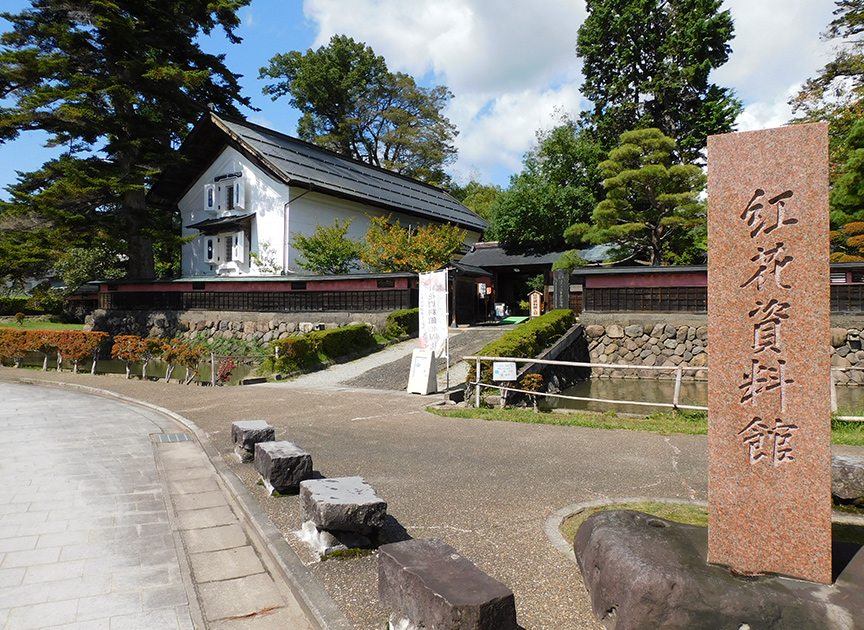
The Kahoku Benibana Museum provides insight into the traditional local industry of benibana cultivation, as well as the culture behind its processing, from multiple perspectives. At this valuable facility, visitors can fully experience the flow of goods and cultural exchange that centered around benibana since the Edo period, as well as the insights of everyday life in the region.
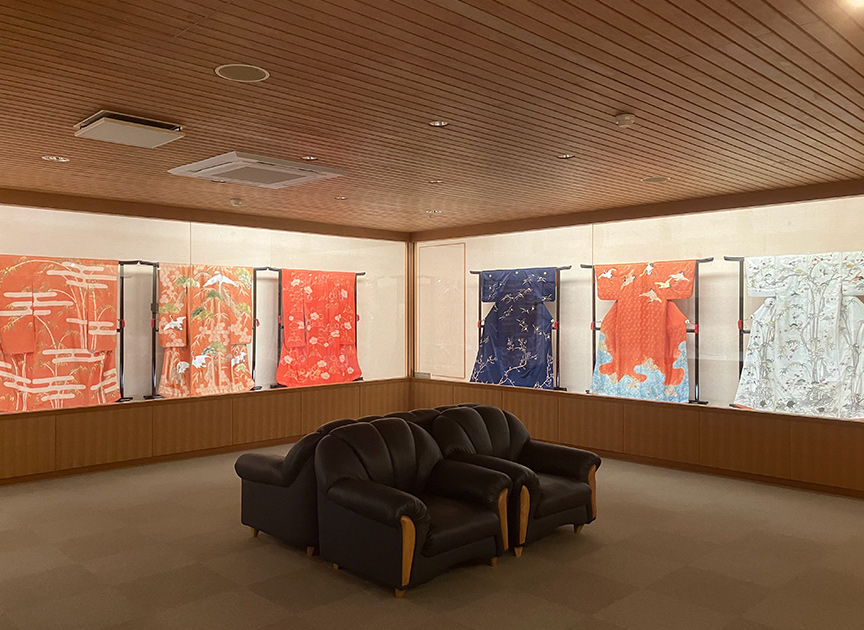
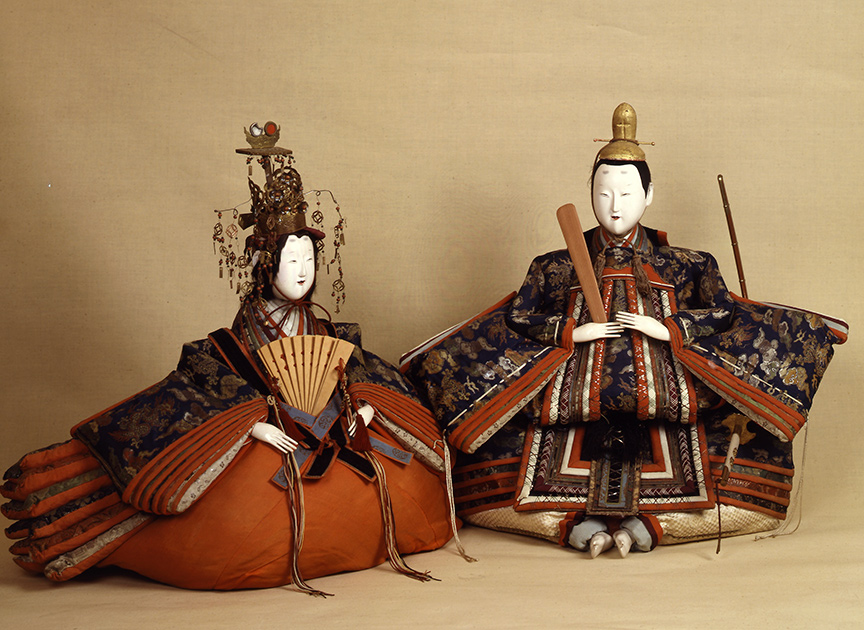
At the museum, detailed exhibits illustrate cultivation, harvesting methods, and the drying and pigment extraction processes. Many dyed fabrics, cosmetics, and handcrafts made with benibana are also on display, allowing visitors to learn about both its historical significance and its connection to modern life.
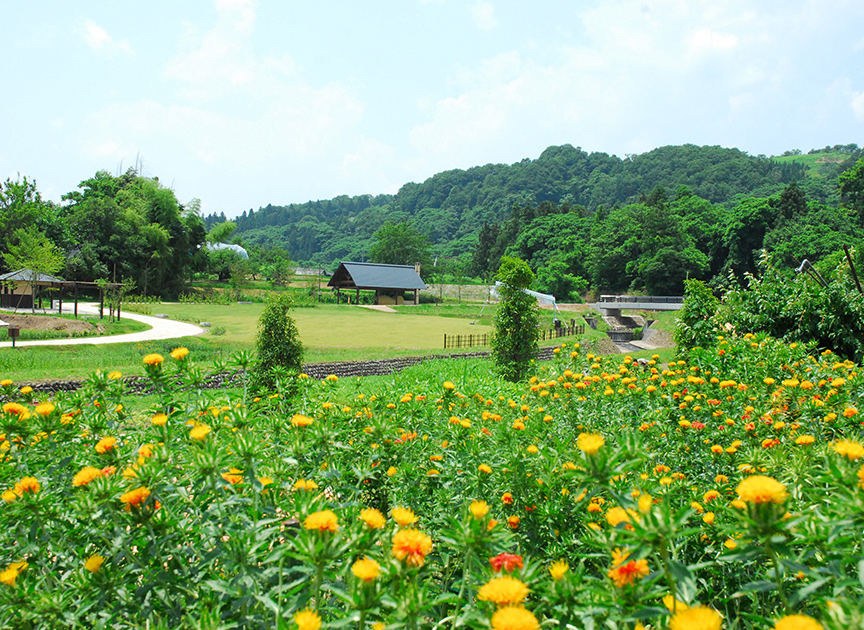
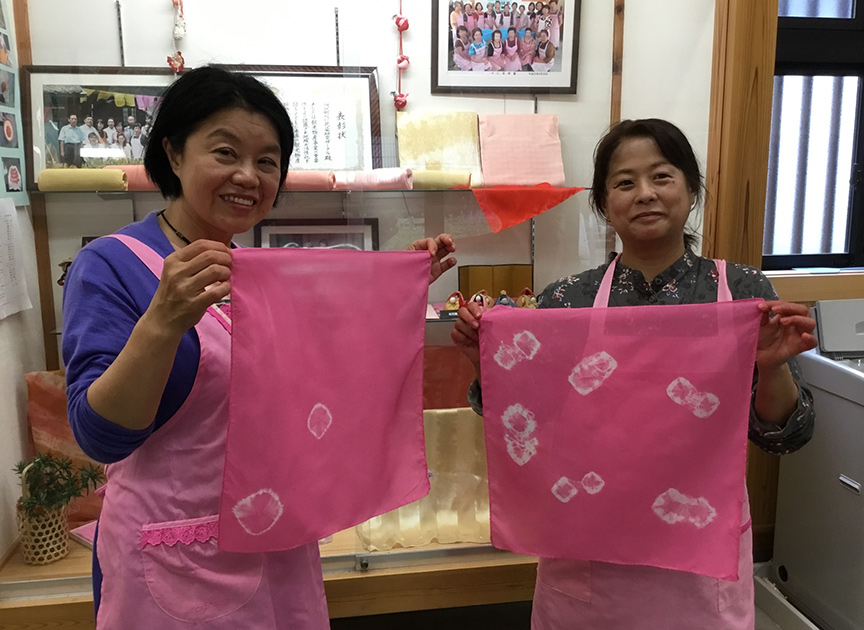
Dyeing experiences and workshops are also held regularly, offering visitors the chance to try their hand at dyeing with benibana themselves!
-
Address
1143 Yachibo, Kahoku Town, Yamagata Prefecture
-
URL
④ Mogami River Boat Ride (Tozawa Village)
A boat ride surrounded in natural scenery and vibrant history
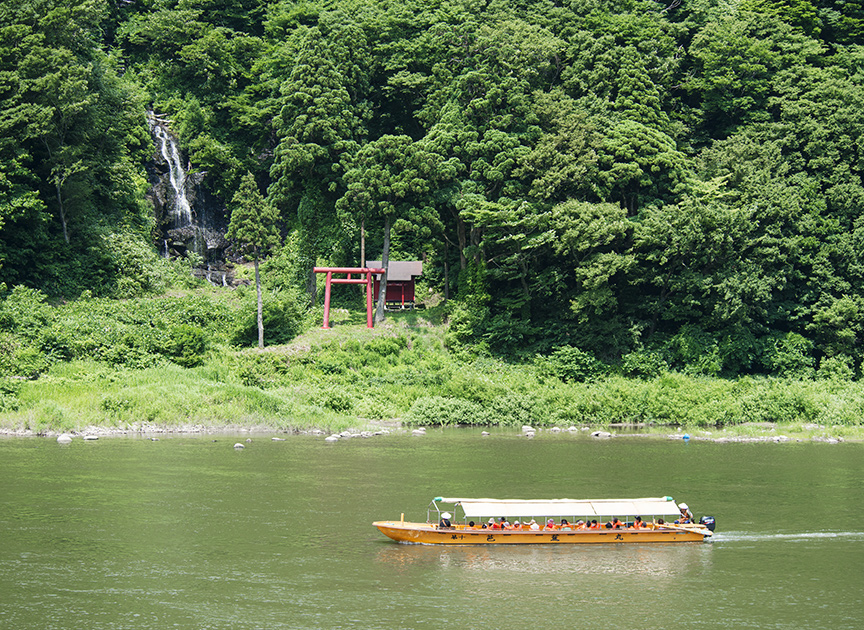
The Mogami River boat ride runs through Tozawa Village in Yamagata, and as passengers glide along the water, they are offered a glimpse into what it may have been like during the days of river trade, witnessing firsthand the routes that once supported regional exchange.
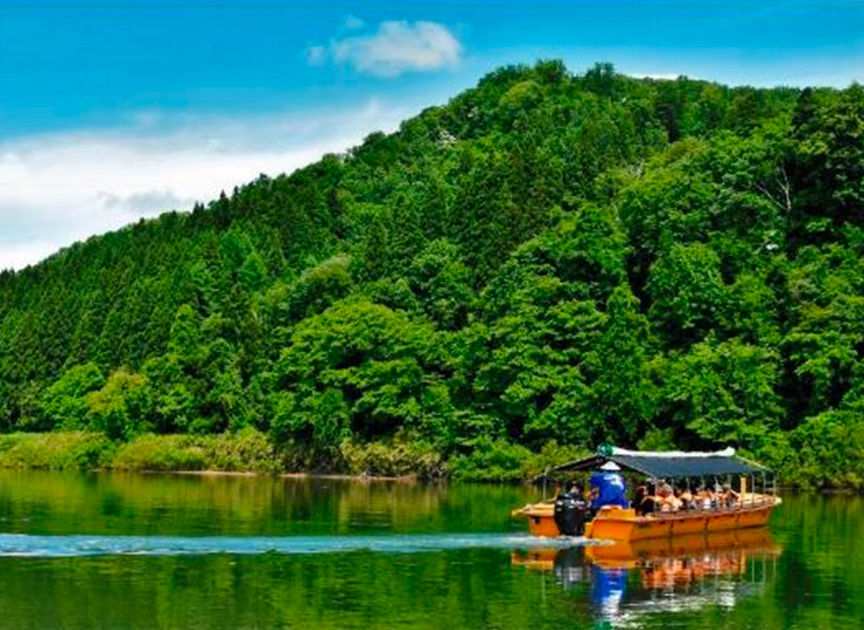
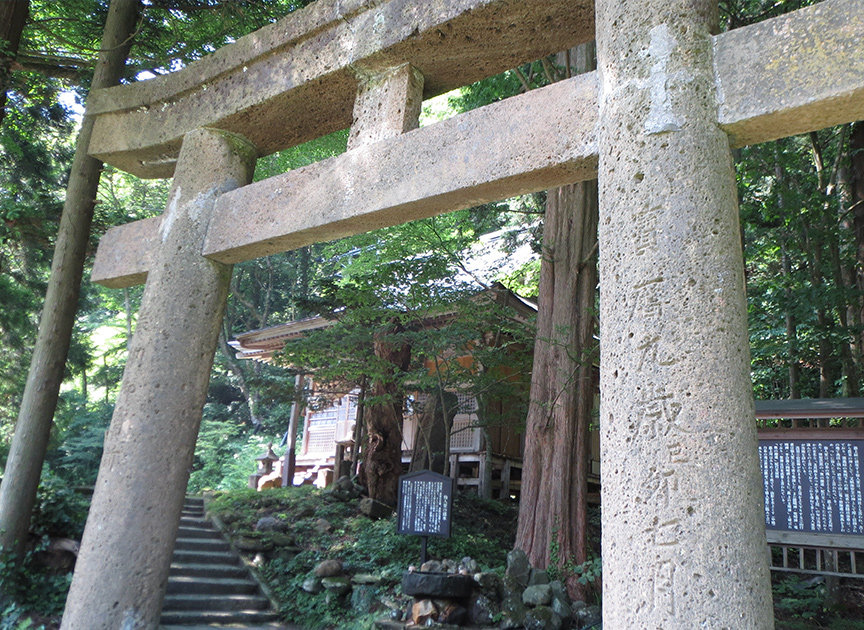
During the Edo period, benibana was collected along the Mogami River, and was shipped from ports such as Sakata and Tsuruoka on Kitamae-bune vessels bound for Edo. Merchant houses and wholesalers once lined the riverside towns, and remnants such as old warehouse sites can still be seen during the ride—offering a tangible sense of how the movement of goods shaped local life and culture.
-
Address
Furukuchi, Tozawa Village, Yamagata Prefecture
-
URL
⑤ Homma Museum of Art (Sakata City)
Exchange between Sakata’s wealthy merchants and Edo— a multifaceted story of history and culture
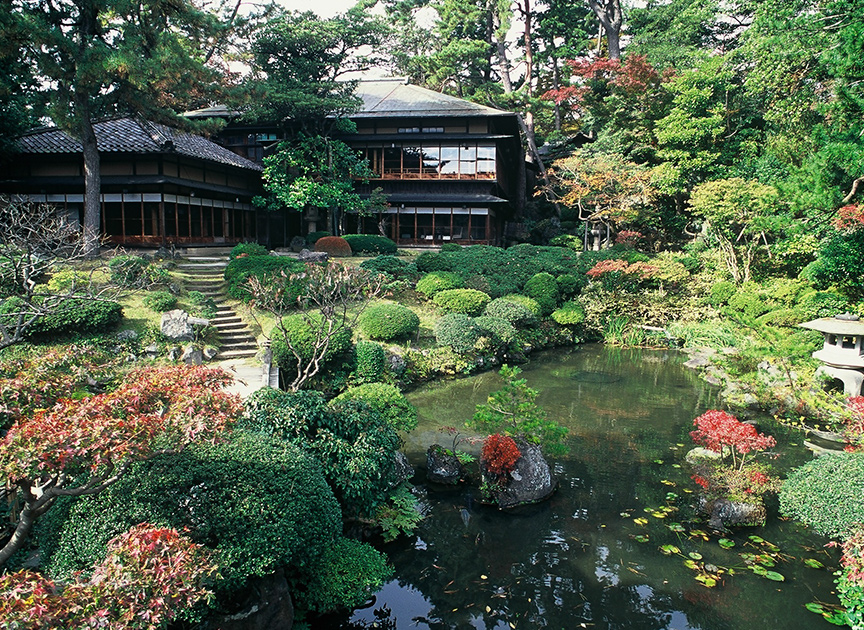
The Homma Museum of Art allows visitors to experience the merchant culture and trading history of the prosperous Homma family, who flourished through the Kitamae-bune trade during the Edo period. Inside are collections of maki-e works, lacquered items, calligraphy, paintings, ceramics, folding screens, and furnishings from various eras, vividly conveying how the logistics network of the Kitamae-bune and the Mogami River trade shaped the region’s lifestyle and aesthetic sensibilities.
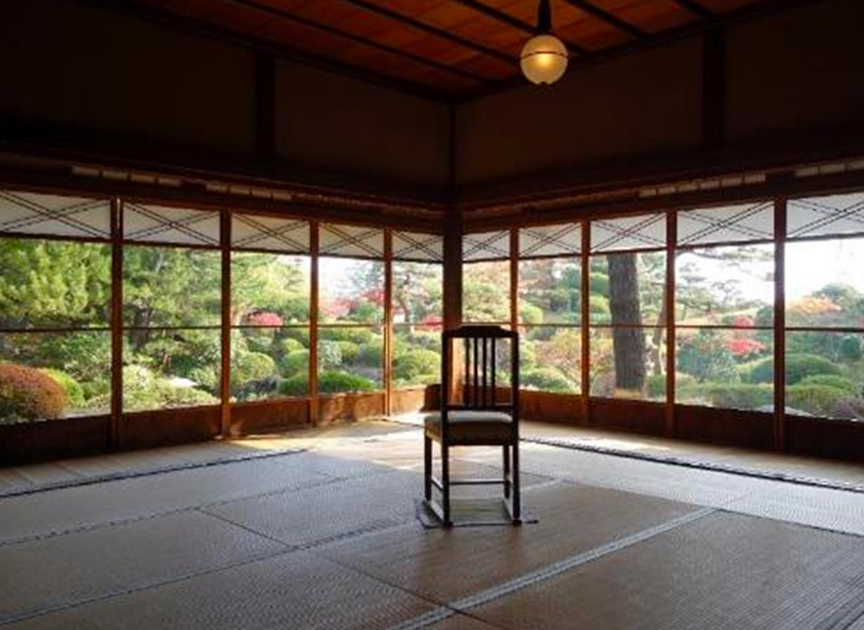
The displays offer an impressive sense of how the trade culture fostered by the Kitamae-bune and the Mogami River went far beyond the movement of goods, and how it influenced art and everyday life down to the smallest details.
-
Address
7-7 Onaricho, Sakata City, Yamagata Prefecture
-
URL
Tokyo
⑥ BENI MUSEUM (Minato City)
he rarity of benibana, and its distribution from production to centers of demand during the Edo period
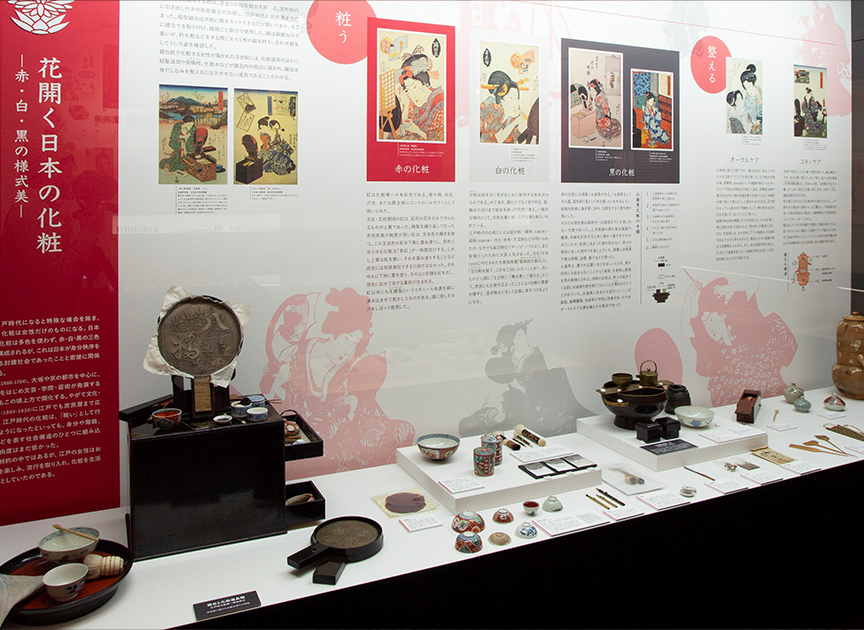
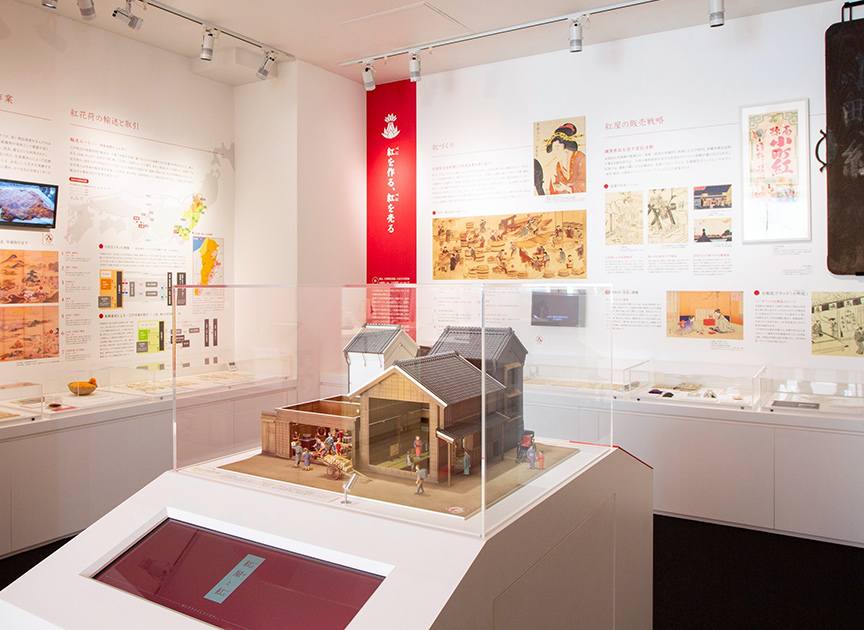
The Beni Museum offers a chance to experience the deep allure of beni, a traditional Japanese color cherished since ancient times. Exhibits include videos showing the entire process—from harvesting benibana to making beni-mochi, as well as extracting the rare red pigment found in the flower petals—providing a clear, visual understanding of how beni was produced.
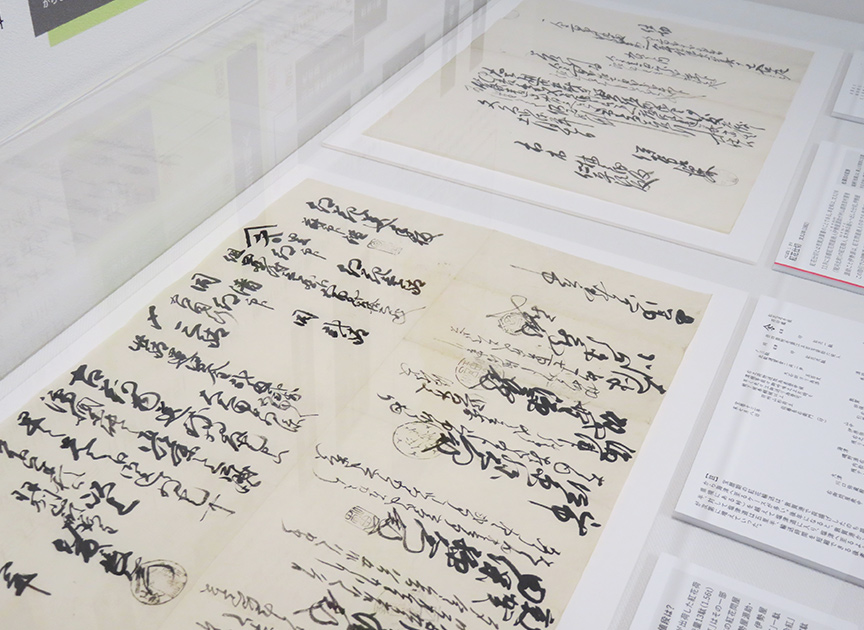
During the Edo period, benibana was one of the most profitable cash crops, and was primarily traded in markets in Kyoto and Osaka, as well as Edo. Historical documents and letters reveal the economic networks that connected such distant regions.
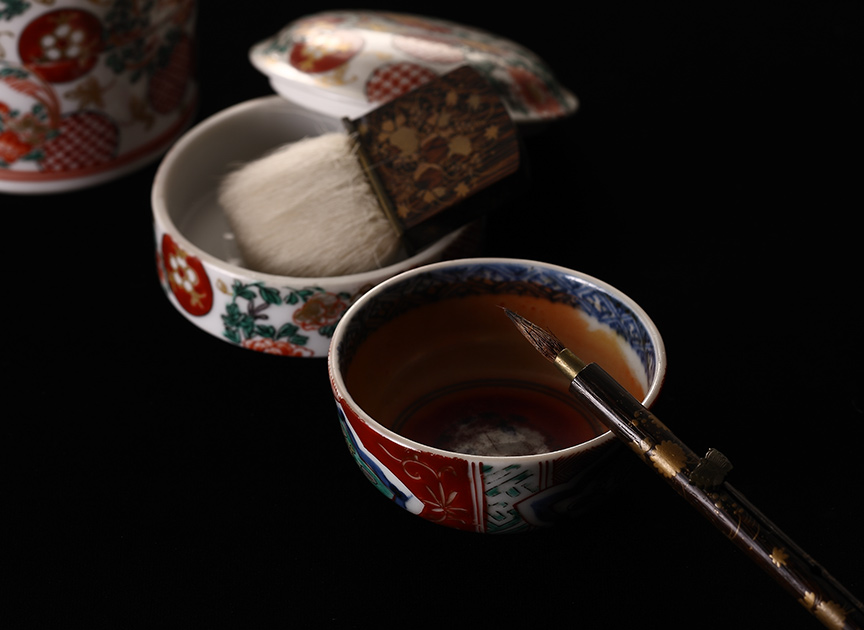
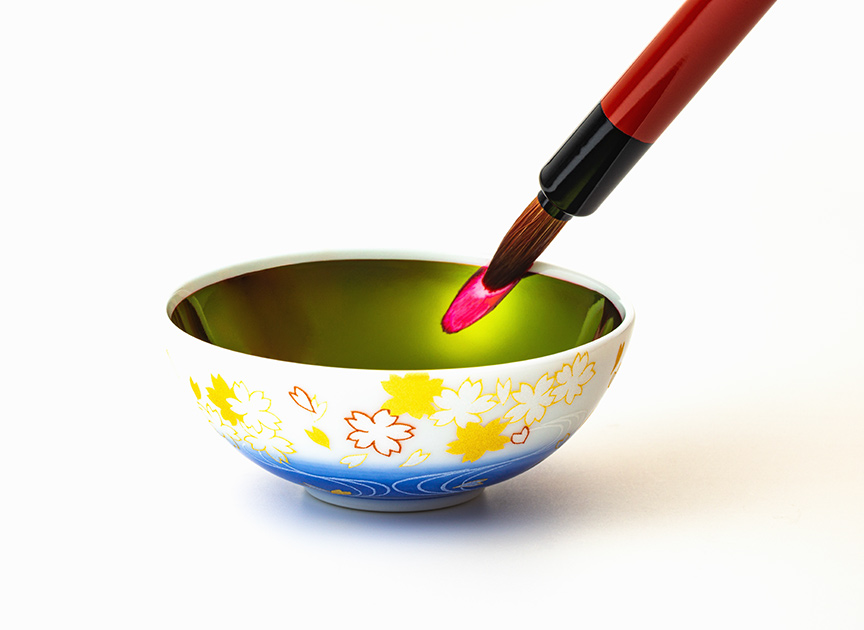
The museum also explores the cosmetics culture that developed around benibana. Through exhibits of makeup tools, ukiyo-e prints, and other materials, visitors can gain a relatable, modern perspective on Japan’s multilayered cultural heritage spanning history, chemistry, and craftsmanship.
-
Address
1F K’s Minami Aoyama Bldg., 6-6-20 Minami Aoyama, Minato City, Tokyo
-
URL